


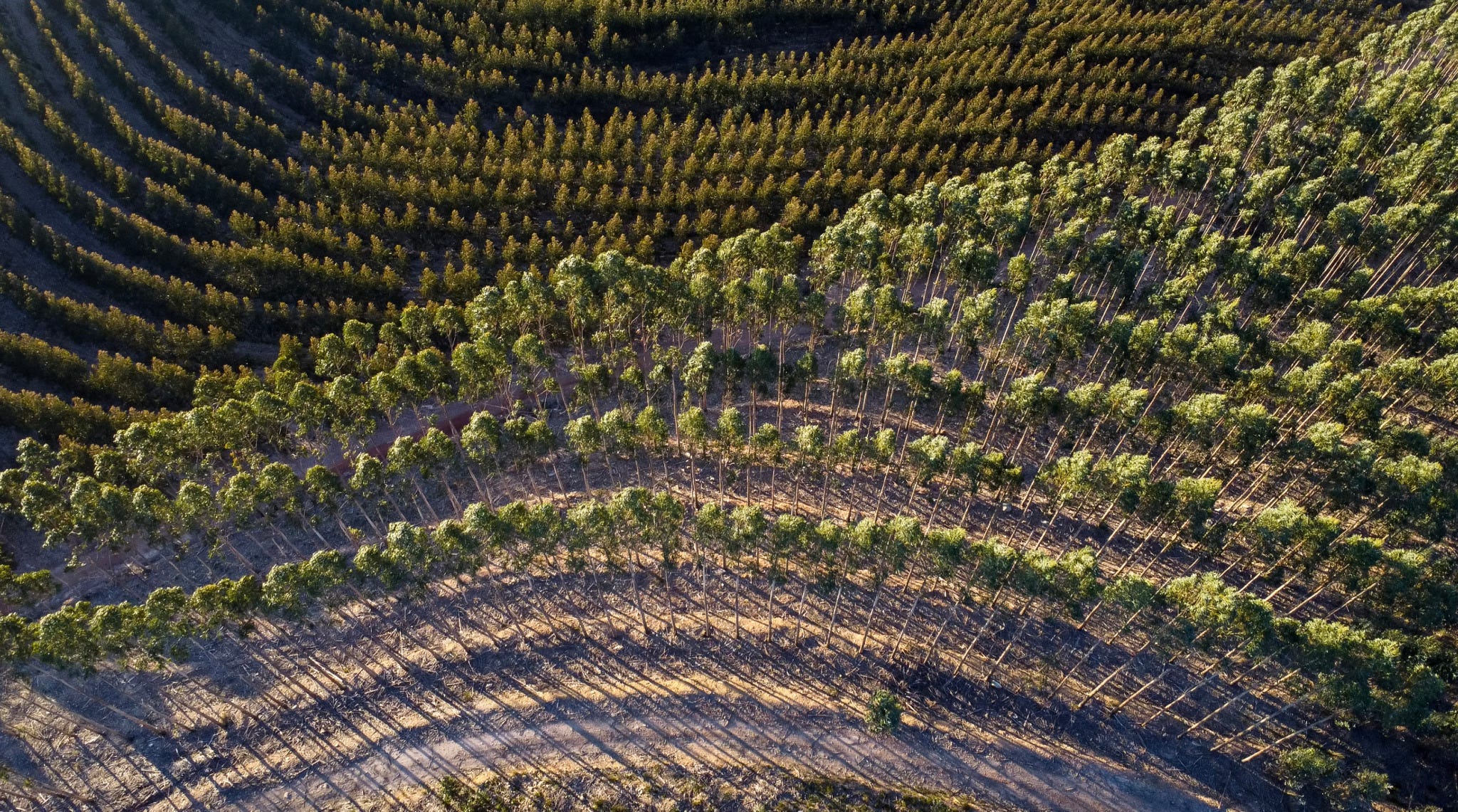
The Hidden Fire Risk: How Monoculture Fuels Wildfires
Portugal’s expanding ‘green deserts’—vast monoculture plantations—fuel wildfire risks by altering local temperatures and drying out surrounding landscapes. Addressing this crisis requires a critical reevaluation of land management practices and a shift toward solutions rooted in nature’s own resilience.
What Happened in the Past?
When discussing forest fires in Portugal, people often nostalgically recall a time when the hills were "clean" and wildfires were rare. But are we making the right connection?
In the past, farmers would clear the undergrowth and use it as bedding for livestock. Over time, this organic matter, enriched with manure, became a natural fertilizer for crops. However, with the abandonment of traditional agriculture, this cycle was broken. The undergrowth, once a valuable resource, accumulated unchecked, turning into fuel for summer wildfires. At first glance, it seems like we lost a well-balanced natural process. But the reality is more complex.
The Weaknesses of This System
What many overlook is that generations of constant forest "cleaning" led to soil degradation through erosion and moisture loss. This disruption prevented green matter from fulfilling its role in the ecological succession process.
With each clearing, the ecosystem was stripped down to its bare bones, forcing nature to restart the process of covering the soil to maintain moisture and protection. Just as the environment was ready to take the next step in succession and give way to more resilient vegetation, another clearing set everything back. This cycle of ongoing (and often unintentional) human interference sabotaged the natural evolution of forests, gradually replacing native ecosystems with drier, less biodiverse landscapes.
At a time when wildfires threaten many regions of Portugal and the world, understanding the causal link between forest stratification and fire prevention has become urgent.
The Importance of Forest Stratification
Forest stratification is the natural layering of plants at different heights, each occupying a niche in the ecosystem. This structured arrangement optimizes light capture, enhances photosynthesis efficiency, and regulates interactions within the environment.
Austrian naturalist Viktor Schauberger, known for his groundbreaking studies on forest ecosystems, revealed how trees act as natural condensers, drawing moisture from the air. Photosynthesis, an endothermic process, absorbs energy from the environment, cooling it as sunlight is converted into nutrients. This creates a thermal gradient that attracts atmospheric moisture, enriching the soil and vegetation while significantly reducing fire risk.
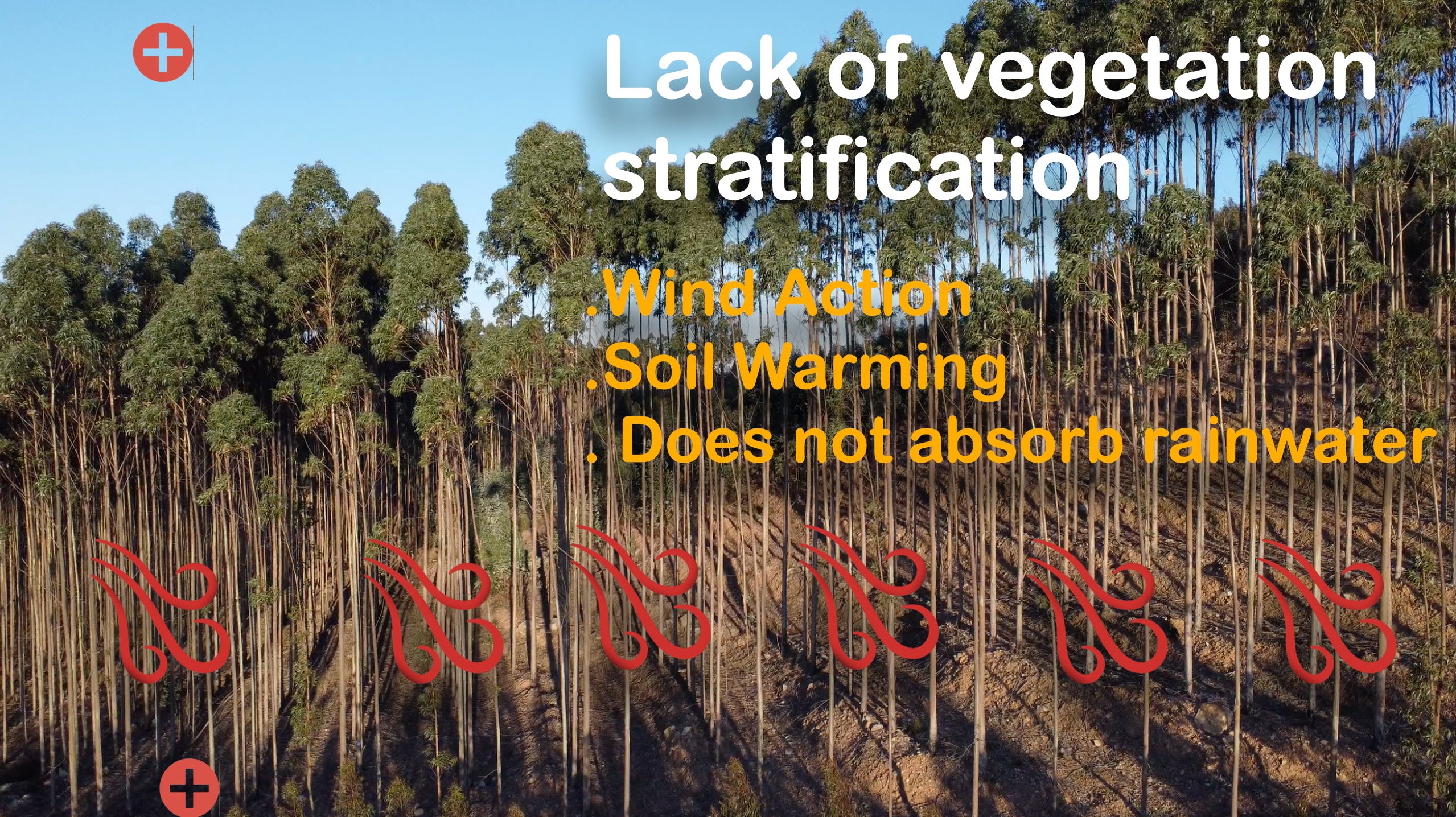
When stratification is absent—when forests lack biodiversity and plants with varying light needs—photosynthetic activity becomes uneven. This imbalance affects temperature distribution, allowing dry winds to flow freely. The now-parched soil loses moisture due to temperature and humidity differences, accelerating land degradation and desert formation. The devastating impact of this phenomenon can be seen across Portugal, where human interference has reshaped entire landscapes.
The Dangers of Monoculture and Neglected Forests
The real concern is not just monocultures themselves but also the surrounding forests. Large plantations are often strictly monitored by the corporations that establish them, while adjacent forests are left without the same level of care. This disparity in fire prevention practices creates a dangerous imbalance, turning nearby areas into ignition points for fast-spreading wildfires fueled by the dry conditions imposed by dominant monocultures.
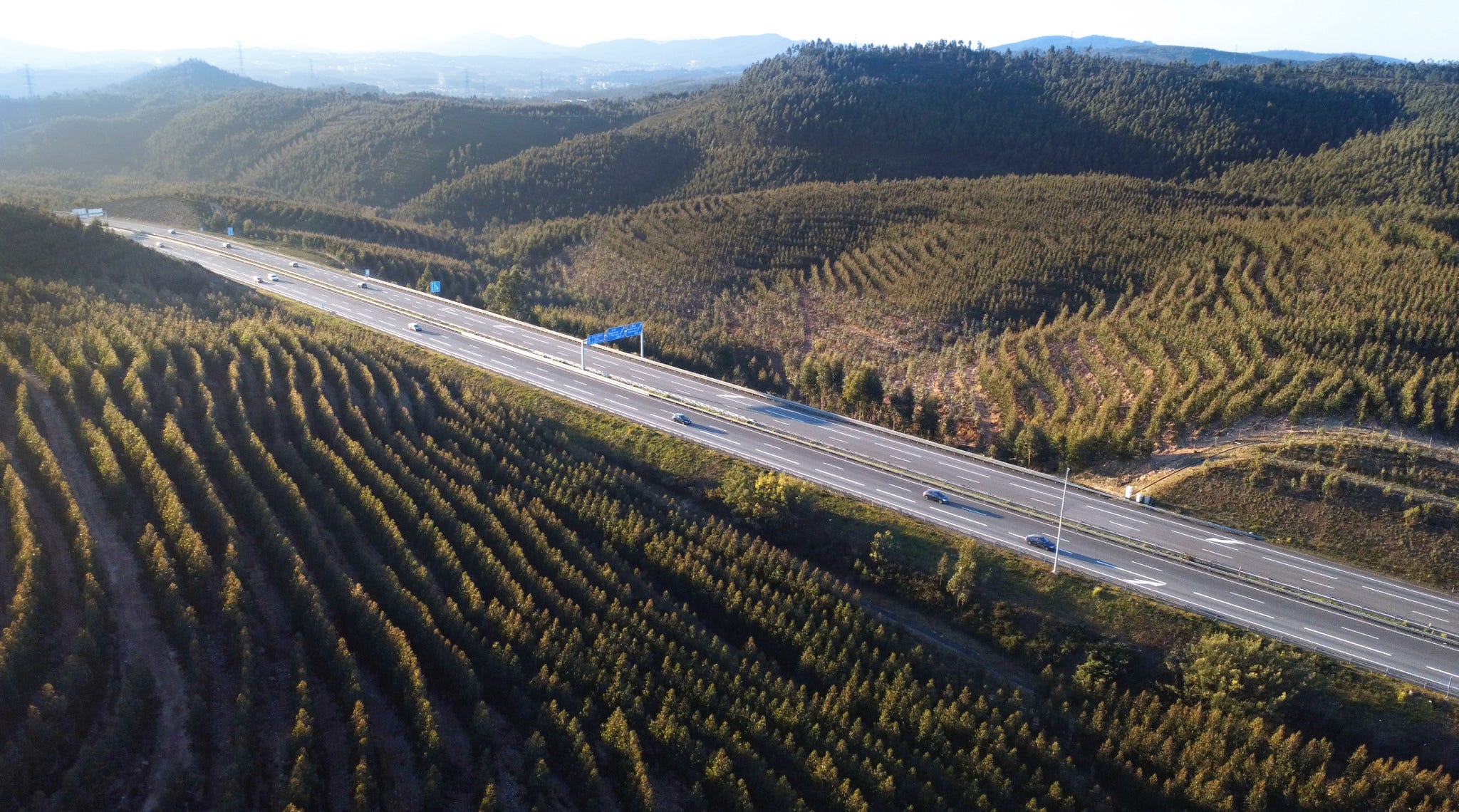
Take, for instance, eucalyptus plantations in Santo Tirso, cultivated for the pulp industry. Eucalyptus itself isn’t the problem—the real issue lies in the monoculture model, which exhausts the soil and creates so-called "green deserts," as seen in Santo Tirso in 2021.
Learning from Nature: Solutions for Fire Prevention
In a temperate climate like Portugal’s, the need for biodiverse, stratified forests is even more critical. These ecosystems attract atmospheric moisture, slowing fire progression and acting as natural barriers. The stark contrast between the destruction caused by wildfires in monoculture areas and the resilience of balanced ecosystems is an urgent call to action.
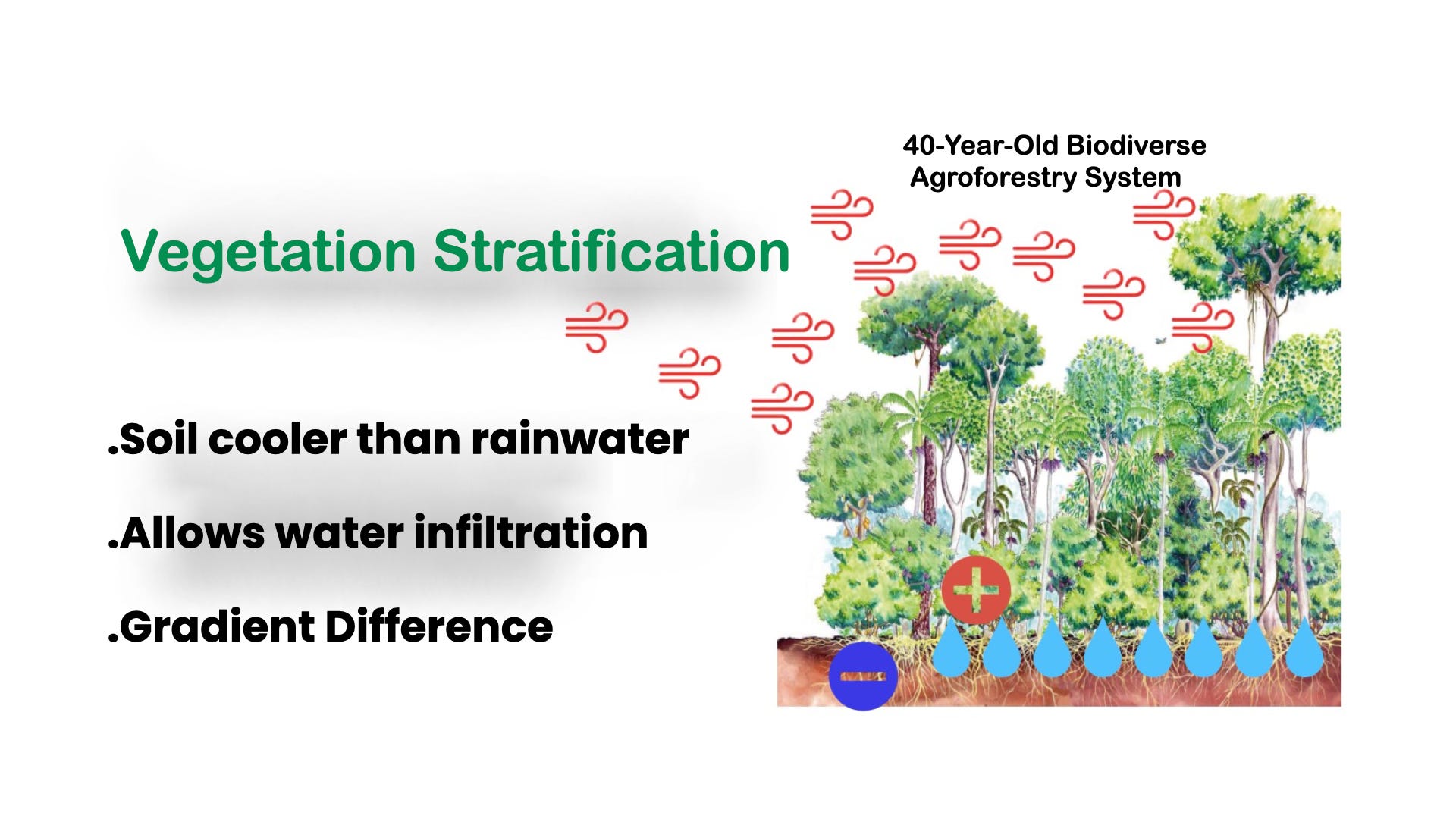
The key takeaway is clear: we must stop fighting nature and start learning from it.
Ernst Götsch's concept of "Planting Water" through Syntropic Agriculture highlights the power of maintaining moisture in the soil. His approach is not just about growing food but about designing fire-resistant forests that retain humidity and build resilience over time.
For too long, human intervention has been about controlling, modifying, and eliminating natural processes. But as thinkers like Schauberger and Götsch remind us, true forest management is about working with nature, not against it.
Nature has spent millions of years perfecting the art of resilience. If we truly want to prevent wildfires, we must learn to work with it, not against it.